
Today’s construction projects involve multiple trades working in tight spaces — structural steel, HVAC ductwork, plumbing, electrical, fire protection, and equipment layouts all competing for room. Without proper coordination, even small conflicts can lead to delays, change orders, and costly rework. That’s why coordination drawings have become a critical part of modern project delivery.
These drawings bring architectural, structural, and MEP systems together into one unified layout, helping teams identify clashes early and keep the project moving smoothly. Below is a clear breakdown of what coordination drawings are, why they matter, and how professional services improve project outcomes.
What Are Coordination Drawings?
Coordination drawings are detailed, multi‑trade documents that combine architectural, structural, and MEP systems into a single, organized plan. Their purpose is simple: identify and resolve conflicts before construction begins.
Common issues uncovered during coordination include:
- Ductwork intersecting beams
- Plumbing lines conflicting with electrical conduits
- Equipment lacking proper clearance
- Piping slopes interfering with ceilings or framing
By resolving these issues early, contractors avoid field changes, delays, and unnecessary costs.
Why Coordination Drawings Are Important for Construction Projects
Coordination drawings reduce uncertainty and improve efficiency across the entire project team. With many stakeholders involved, even minor misalignments can create major problems.
Key benefits include:
- Early detection of clashes
- Reduced rework and field modifications
- More accurate installation
- Better communication between trades
When everyone works from the same coordinated plan, projects run faster, safer, and more cost‑effectively.
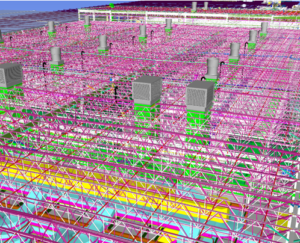
How Coordination Drawings Improve Project Efficiency
Clear, conflict‑free drawings allow contractors to focus on installation rather than troubleshooting in the field.
Efficiency gains include:
- Faster approvals
- Less material waste
- Smoother on‑site coordination
- More predictable schedules
These advantages are especially valuable on large commercial and industrial projects where space is limited and systems are complex.
What Services Are Included in Coordination Drawings?
A professional coordination package typically includes:
- Integration of architectural, structural, and MEP systems
- Clash detection and resolution
- Equipment layout coordination
- Ceiling space and riser coordination
- Construction‑ready drawings
Many providers also use BIM tools like Revit and Navisworks to improve accuracy and visualization. Learn more about our MEP BIM Modeling Services.
Why Contractors Choose Advantage Engineering Technologies
Advantage Engineering Technologies, PLLC delivers contractor‑focused coordination services built around accuracy, constructability, and real‑world installation requirements. Our team integrates architectural, structural, mechanical, electrical, and plumbing systems into a single, coordinated model that eliminates conflicts before they reach the field.
We focus on:
- Precision
- Practical solutions
- Clear communication
- Fast turnaround
- Field‑ready documentation
Contractors rely on us to reduce mistakes, save time, and keep projects on schedule.
For a free consultation on how our coordination services can streamline your next project, contact Advantage Engineering Technologies, PLLC today.
Why Hiring Professionals Makes Sense
Professional coordination teams bring the expertise needed to ensure accuracy, code compliance, and constructability.
Benefits include:
- Industry‑standard drafting practices
- Knowledge of building codes and regulations
- Experience with complex systems
- Advanced BIM tools and workflows
Attempting coordination without specialists often leads to missed conflicts and costly on‑site changes, making professional services a smart investment.
Key Factors That Influence Coordination Quality
High‑quality coordination requires more than simply combining drawings. Several factors determine the effectiveness of the final product:
- Accurate Input Drawings
Coordination is only as reliable as the drawings provided. - Clear Communication Between Trades
Regular coordination meetings and documented decisions keep everyone aligned. - Clash Detection and Resolution
Identifying conflicts is only the first step — resolving them with practical solutions is what matters. - Code Compliance
Coordinated layouts must meet local building codes and project requirements. - Constructability and Maintenance Access
Good coordination considers installation sequencing and long‑term serviceability.
How Coordination Drawings Reduce Project Risks
Most construction risks stem from unclear design intent or system conflicts. Coordination drawings reduce these risks by providing a complete, accurate picture before work begins.
They help minimize:
- Change orders
- Schedule delays
- Budget overruns
- Safety hazards
By addressing issues early, teams avoid surprises during installation.
Are Coordination Drawings Useful for All Project Types?
Yes. Coordination drawings benefit:
- Commercial buildings
- Residential developments
- Industrial facilities
- Healthcare and educational projects
Any project involving multiple systems gains value from proper coordination.
What Is the Long‑Term Value of Coordination Drawings?
The benefits extend beyond construction. Coordination drawings serve as valuable references for:
- Facility maintenance
- Renovations
- Future expansions
- Asset documentation
They provide long‑term clarity and support better facility management.
Conclusion
In an industry where accuracy, cost control, and schedule performance are critical, coordination drawings offer a major advantage. They improve collaboration, reduce errors, and lead to better project outcomes.
If you’re a mechanical, plumbing, or HVAC contractor looking for accurate, constructible, and fully coordinated drawings, Advantage Engineering Technologies is ready to help. Contact us today for a fast, detailed quote.
By investing in professional coordination services, owners and contractors gain confidence, clarity, and a smoother construction process from start to finish.
Read More: Best Coordination Drawings: Why They Are Essential for Modern Construction Projects